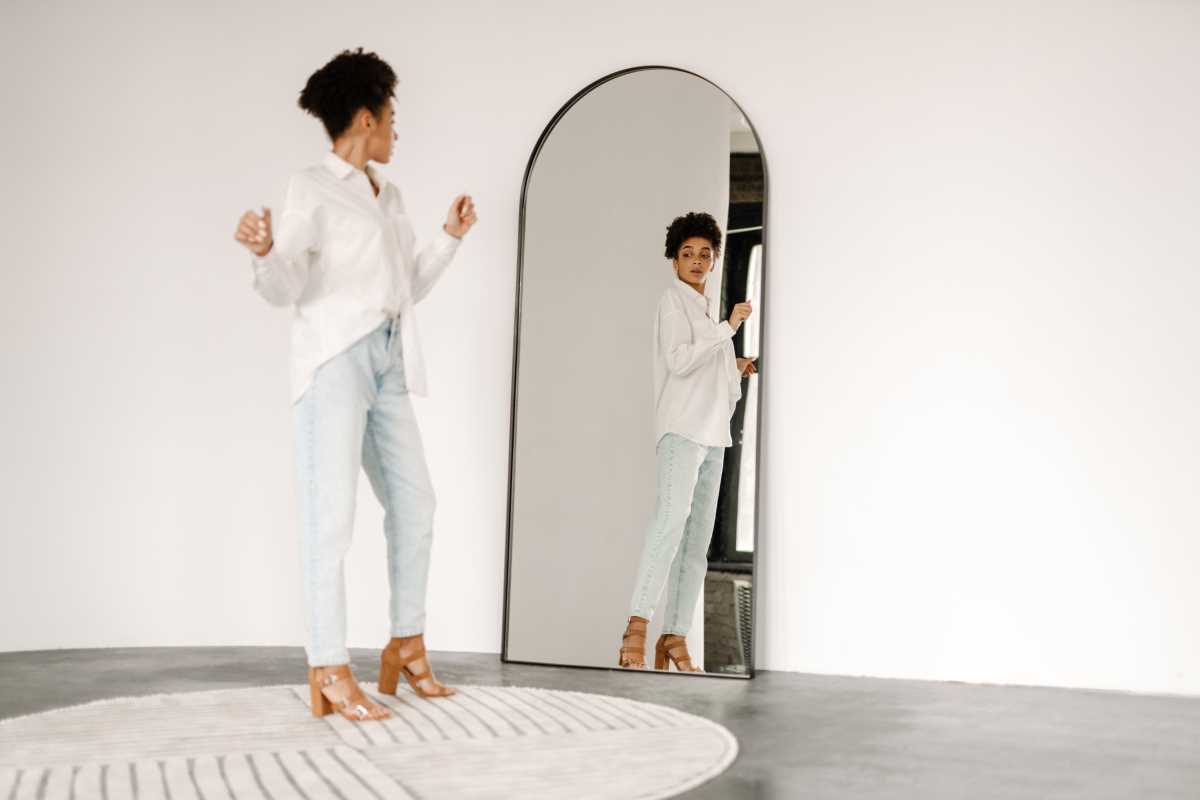
Have you ever looked in the mirror and felt like the person staring back was a total stranger? Maybe you are wearing the same tired hoodie you bought five years ago, or perhaps your hair hasn't seen a professional trim since the last administration. We have all been there. You get stuck in a rut where your external "look" feels completely disconnected from who you are becoming on the inside. It is a frustrating, sluggish feeling that can quietly drain your energy before you even leave the house.
A personal makeover is not about turning into someone else or chasing every fleeting trend on social media. It is about alignment. When your outward presentation matches your internal ambitions, something clicks. You feel more capable. You speak with more authority. Recent data from 2025 and 2026 shows that this is not just vanity. In fact, 73% of people now cite wearing clothes that make them feel confident as their primary driver for self-esteem¹. We are moving away from temporary fixes and toward sustainable changes that actually stick.
Mastering Your Personal Style
Most of us treat shopping like a chore or a frantic reaction to an upcoming event. We buy things because they are on sale or because we saw them on a mannequin, not because they actually fit our lives. Finding your personal style signature means moving past those impulses. It is about identifying the silhouettes and colors that make you feel like the best version of yourself.
One of the biggest mistakes people make is ignoring the power of fit. You could spend a fortune on a designer suit, but if the shoulders are drooping or the trousers are pooling at your ankles, it will look cheap. Conversely, a budget-friendly find that has been tailored to your specific body shape looks like a million bucks. This is likely why well-groomed and stylish individuals often see an annual earnings increase of roughly $2,300 compared to those who neglect their presentation.
To start your style makeover, you need to conduct a strategic wardrobe edit. Go through your closet and identify the confidence vampires. These are the clothes that don't fit, the ones that are itchy, or the ones that make you feel invisible. If you haven't worn it in a year, or if it makes you feel "meh" when you put it on, it has to go. Think of your closet as a curated collection of tools designed to help you win the day.
Small Tweaks with Major Impact
You do not need an hour-long bathroom routine to look polished. In 2026, the trend is skinmalism. This is the practice of simplifying your grooming to three or four high-quality steps. It reduces decision fatigue and actually lowers your stress levels. A simple routine of a gentle cleanser, a solid moisturizer, and SPF 30+ is enough to signal self-respect to your brain and everyone you meet.
Hair is another major factor. A haircut that frames your face and works with your natural texture can shave ten minutes off your morning routine. It is about manageable daily upkeep. When your hair looks intentional, you feel intentional. We are also seeing a rise in neuro-cosmetics, which are products designed with specific scents and textures that trigger dopamine release². Your morning moisturizer can actually become a micro-meditation that sets a positive tone for the rest of your day.
Don't overlook the finishing touches. Polished accessories, clean nails, and well-maintained footwear are the "digital equivalent" of high-resolution formatting. They signal that you care about the details. If you care about the details of your appearance, people assume you will care about the details of your work and your relationships too.
Posture, Energy, and Non-Verbal Cues
Appearance is the catalyst, but your body language is the multiplier. There is a psychological concept called enclothed cognition. It suggests that when you wear a "power blazer" or a specific professional uniform, your brain actually adopts the traits associated with that clothing, such as focus and authority.
Think about a recent case study involving a professional named Mia. She struggled with imposter syndrome until she started incorporating well-fitted, structured blazers into her work week. Over six months, her self-reported confidence in meetings jumped by 40%. She didn't just look different, she felt like a different person. This shift naturally leads to better posture. Standing taller and making eye contact changes how others perceive you instantly.
True energy management is also a part of this makeover. You cannot "groom" your way out of total exhaustion. Linking your appearance to better sleep and nutrition make sures that your physical presence has some actual fuel behind it. When you feel good about how you look, you are more likely to speak clearly and engage actively in conversations. You stop hiding in the back of the room and start taking up the space you deserve.
Sustainable Makeovers
The goal is to make these changes part of your identity, not just a weekend project. If you try to change everything at once, you will probably burn out by Tuesday. Instead, try a 30-day challenge for one specific habit. Maybe you commit to the 75 Hard Style Challenge, where you style one "loved but unworn" item in your closet every day for a month⁴. This builds creative self-efficacy and helps you rediscover the value in what you already own.
Success should be measured by how you feel, not just by the reflection in the mirror. Are you more willing to say yes to social invitations? Do you feel more assertive during work presentations? These are the real metrics of a successful personal makeover. These steps are small investments in your daily happiness and your professional presence.
By refining your style, simplifying your grooming, and adjusting your non-verbal cues, you create a feedback loop of confidence. You look better, so you feel better, which makes you perform better. It is a simple cycle, but it is incredibly powerful. Start with one small tweak today and see how quickly the rest of your life begins to follow suit.
This article on mabmo.com is for informational and educational purposes only. Readers are encouraged to consult qualified professionals and verify details with official sources before making decisions. This content does not constitute professional advice.